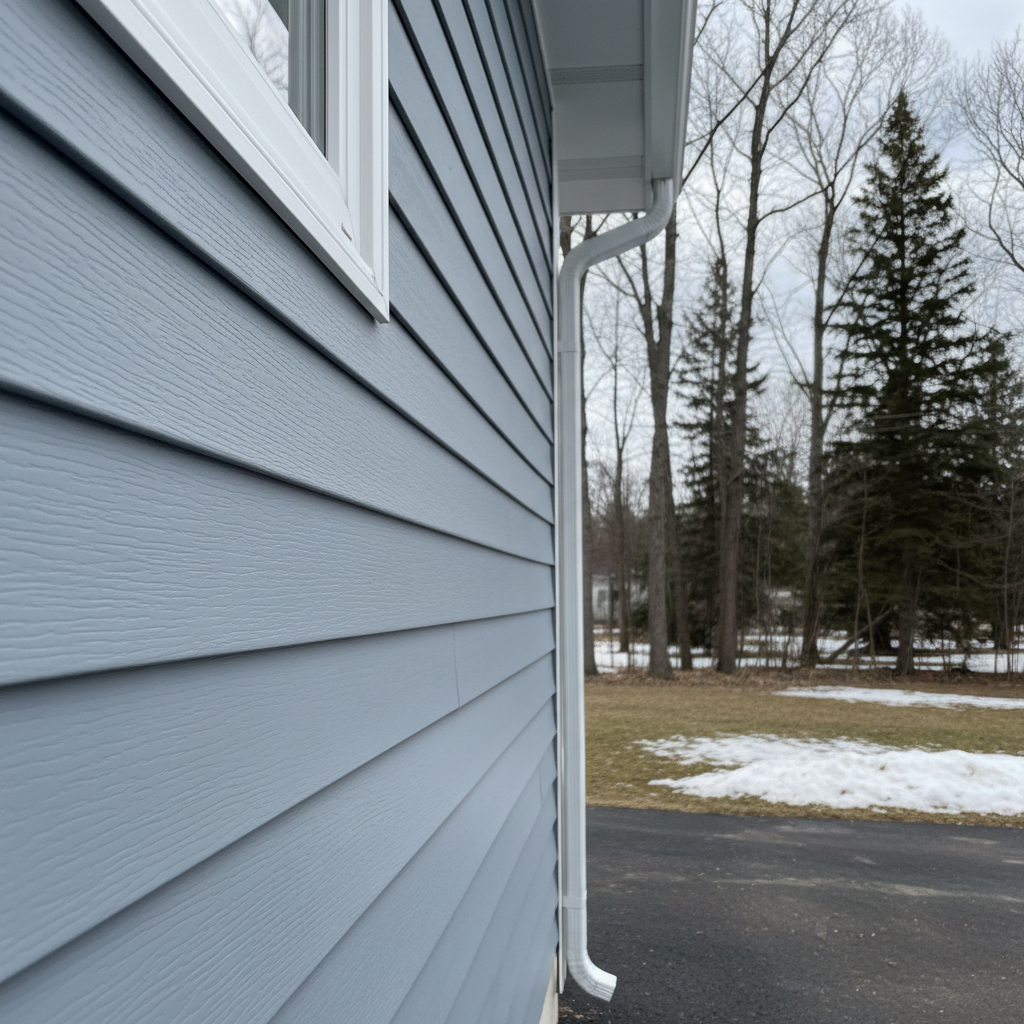
You're probably looking at your house right now, maybe the siding's looking a little tired, or you're just itching for a change. Vinyl siding is super popular around Hermantown – it's tough, doesn't need much upkeep, and really looks good when someone puts it up correctly. But can you just install it yourself? That's the big question, and honestly, the answer isn't a simple yes or no. It's more about knowing what you can handle and truly understanding the whole process.
Before You Even Think About Nailing That First Panel
First things first, let's talk about prep work. This is where a lot of DIYers either get completely swamped or they cut corners, and both routes usually lead to trouble. You've got to take off the old siding. That part's usually not too bad, just really time-consuming. Then, you'll need to deal with any rot or damage underneath. This is absolutely critical. If your sheathing is messed up, or you've got mold problems, just slapping new siding over it is basically asking for bigger headaches later on. You really need a solid, clean surface before anything else.
Next up is the house wrap. Seriously, do not skip this step. It's your second line of defense against moisture and it helps keep your energy bills down. Getting it put on correctly, overlapping it like shingles, and taping all the seams is super important. I've seen people try to save a few bucks here, and it always, always comes back to haunt them. Also, take a good look at your windows and doors. Are they flashed properly? If not, now's the time to fix it. Water is incredibly persistent, and it will find any tiny way to get in.
Another big "before" item: permits. Depending on how much work you're doing, you might need one from the city of Hermantown. Don't just assume you don't; a quick call to the building department can save you a ton of grief and potential fines later. They're there to make sure things are done safely and meet code, which, when you think about it, ultimately protects your investment.
During the Installation: Where Skill Really Matters
Alright, so you've done all the prep. Now for the actual siding. This is where things get tricky, fast. Vinyl siding isn't just nailed on tight, you know? It actually needs to breathe, expand, and contract with our crazy temperature swings here in northern Minnesota. If you nail it too tight, it'll buckle and warp, especially when the sun hits it after a cold snap. You've got to leave room for movement, using special nails and specific nailing techniques.
You'll also need some specialized tools: a snap lock punch, a zip tool, tin snips, a utility knife, and a good level. Cutting around windows, doors, and vents takes real practice to get those clean, professional-looking lines. And don't forget about the starter strip, J-channel, F-channel, and corner posts. These trim pieces are what make the job look finished and actually keep water out. Getting them plumb, level, and properly integrated with the siding panels is absolutely key.
Here's a common mistake I see all the time: not thinking about the ground. Especially in areas like the Woodland neighborhood where the terrain can be a bit uneven, getting that first row of siding perfectly level and straight is just so important. If your starter strip isn't right, every single panel above it will be off. It's kind of like trying to build a house on a crooked foundation.
For a small shed or a very simple, single-story wall without many windows, a handy homeowner might actually be able to pull it off. But for an entire house, with multiple stories, complex architectural features, and a lot of cutting? That's a whole different ballgame. It's incredibly time-consuming, physically demanding, and the chance of making expensive mistakes is really high.
After the Last Panel is Up: What to Look For
Once you think you're done, take a good, hard look. Walk all around your house. Get up close. Are the panels lying flat? Is anything buckling? Are the seams tight but not *too* tight? Are the corners clean and straight? Check around all your windows and doors. Do the J-channels look neat? Is there any exposed house wrap or sheathing anywhere?
A professional installation, like what we do at Classic Siding Solutions, means everything is plumb, level, and secure, but still allows for that necessary expansion and contraction. We're also making sure all the flashing is doing its job and that the finished product not only looks great but will protect your home for decades to come.
If you're seeing gaps, wavy panels, or trim pieces that don't quite meet up, those are big red flags. These aren't just cosmetic issues; they're potential entry points for water, insects, and drafts. Fixing these after the fact can be just as difficult, if not more so, than getting it right the first time.
So, can you DIY vinyl siding? Maybe a small part of it, sure. But for the whole house, especially if you want it done right, efficiently, and with a warranty, calling in a professional is almost always the smarter move. It's an investment in your home's protection and curb appeal, and sometimes, trying to save a few bucks upfront ends up costing you a lot more down the line. What do you think?